In today's fast-paced world, technology has revolutionized the way we conduct business and make transactions. One of the most crucial technological advancements in recent years is the Point of Sale (POS) machine. However, there are still instances where businesses operate without a POS machine. This article will discuss the reasons why some businesses choose to operate without a POS machine, the challenges they face, and the alternatives they use.
1. The Cost Factor
One of the primary reasons why some businesses opt not to use a POS machine is the cost. POS machines can be quite expensive, especially for small businesses with limited budgets. The initial cost of purchasing a POS machine, along with the cost of software, training, and maintenance, can be prohibitive for some businesses. As a result, they may opt to use alternative methods for accepting payments.
2. Simplicity and Familiarity
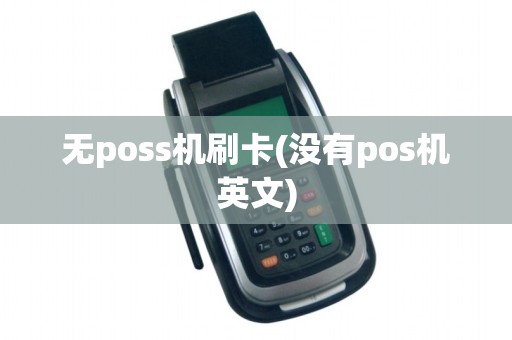
Some businesses, particularly those in remote or rural areas, may be accustomed to traditional methods of payment, such as cash or check. These businesses may not see the need for a POS machine, as they are comfortable with their current methods and believe that switching to a POS machine would be unnecessary.
3. Security Concerns
While POS machines offer a high level of security, some businesses may have concerns about the safety of their data. They may be worried about cyber-attacks or data breaches that could compromise their customers' information. As a result, they may choose to avoid using a POS machine altogether.
4. Customer Preferences
In some cases, customers may prefer traditional payment methods, such as cash or check, over credit or debit cards. Businesses that cater to such customers may not see the need for a POS machine, as they believe that their customers' preferences are more important than the convenience of using a POS machine.
Challenges Faced by Businesses Without POS Machines
Despite the advantages of using a POS machine, businesses that operate without one face several challenges:
1. Inefficiency
Without a POS machine, businesses may struggle with inefficient payment processing, leading to longer wait times for customers and potential loss of sales.
2. Lack of Reporting and Analytics
POS machines provide valuable data and analytics that can help businesses make informed decisions. Without a POS machine, businesses may find it difficult to track sales, inventory, and customer behavior.
3. Limited Payment Options
Without a POS machine, businesses may be limited in the types of payments they can accept, which could alienate customers who prefer digital payment methods.
Alternatives to POS Machines
Despite the challenges, businesses without POS machines can still accept payments using alternative methods:
1. Mobile Payment Solutions
Mobile payment solutions, such as Apple Pay, Google Pay, and Samsung Pay, allow businesses to accept payments through their smartphones or tablets. These solutions are cost-effective and easy to implement.
2. Credit Card Terminals
Businesses can rent or purchase credit card terminals that can be connected to a landline or mobile network. These terminals offer a secure way to process credit and debit card payments.
3. Online Payment Gateways
Online payment gateways, such as PayPal and Stripe, allow businesses to accept payments through their websites or mobile apps. These solutions are convenient for both businesses and customers.
In conclusion, while POS machines offer numerous advantages, there are still instances where businesses may choose to operate without one. The cost, simplicity, security concerns, and customer preferences are some of the factors that influence this decision. However, businesses without POS machines can still accept payments using alternative methods, such as mobile payment solutions, credit card terminals, and online payment gateways. By exploring these options, businesses can ensure that they cater to their customers' needs while minimizing the challenges they face.

 黑ICP备2023013109号-12